in today's information age, the speed and stability of network connections are crucial to the work and life of enterprises and individuals. hong kong international bandwidth and cn2 network are two common network solutions, but there are significant differences between them. this article will analyze these two network types in detail from many aspects to help users make a wise choice.
hong kong international bandwidth refers to the internet connectivity services provided through hong kong's submarine optical cables and information infrastructure. due to its strategic location, hong kong has become an important hub connecting east asia and the west. hong kong international bandwidth usually has the characteristics of high bandwidth, high speed and low latency, and is suitable for enterprises and users that require large-traffic data transmission. it can support a variety of applications, including video conferencing, cloud computing, and big data transmission.
cn2 network is a high-performance internet access service launched by china telecom. its full name is "china next generation internet" and it aims to provide users with faster and more stable network connections. the cn2 network adopts advanced network architecture and technology, with low latency, high reliability and high security, and is suitable for users in finance, gaming, education and other industries. through the cn2 network, users can achieve faster access speeds and a more stable connection experience.
hong kong's international bandwidth mainly relies on the interconnection of multiple submarine optical cables and international data centers, while the cn2 network is based on china telecom's own network architecture. hong kong's international bandwidth is usually provided by different operators, and the network architecture is relatively decentralized. the cn2 network is centrally managed by china telecom, and the network architecture is relatively unified. this difference in architecture directly affects users' network performance and service quality.
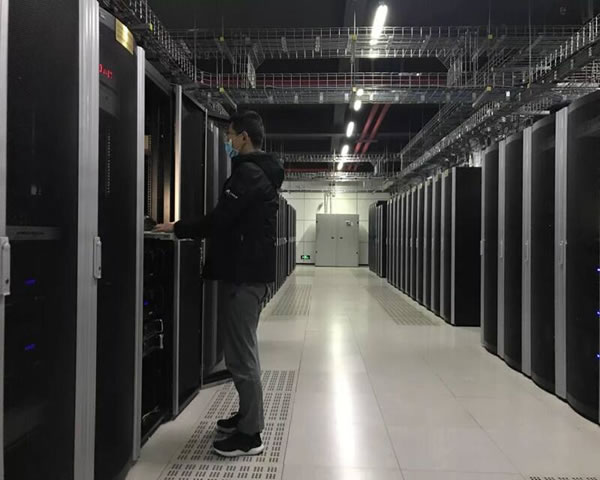
when it comes to network performance, latency and speed are two important metrics. hong kong international bandwidth usually performs well when accessed by international users, with lower latency and faster speeds, making it suitable for global users. relatively speaking, the latency of the cn2 network is superior when domestic users access it. especially when connecting to users in mainland china, the speed and stability have been significantly improved. however, when international users access hong kong or other regions through the cn2 network, delays may increase.
hong kong international bandwidth is suitable for enterprises that require international data transmission and cross-border business, especially those companies that have frequent connections with southeast asia, europe and the united states. the cn2 network is more suitable for enterprises operating in mainland china, especially the financial and real-time online gaming industries that have extremely high latency requirements. therefore, it is crucial to choose the right network solution based on the enterprise's business needs and user groups.
in terms of network costs, the pricing strategies of hong kong international bandwidth and cn2 networks are also different. hong kong international bandwidth is usually affected by market supply and demand, and prices may fluctuate. the pricing of the cn2 network is relatively stable, and due to its high service quality and low latency, it is often regarded as a cost-effective choice. when users choose network services, in addition to considering price, they should also pay attention to service quality and reliability.
network security is an important factor that cannot be ignored when choosing network services. generally speaking, hong kong international bandwidth may face higher risks of cyber attacks due to its open environment. the cn2 network provides higher security due to china telecom's strict management and monitoring. in addition, the cn2 network also supports a variety of security protocols to ensure the safe transmission of user data. therefore, for enterprises with higher security requirements, the cn2 network may be more suitable.
technical support and after-sales service are important considerations for users when choosing network services. there are many service providers for international bandwidth in hong kong, and the level of technical support varies. users need to carefully evaluate when choosing. since the cn2 network is provided by china telecom, its technical support is relatively centralized and its service quality is relatively high. in addition, cn2 network users can enjoy faster fault response and resolution.
with the continuous development of network technology, hong kong international bandwidth and cn2 network will also face new challenges and opportunities. hong kong international bandwidth will continue to upgrade its network infrastructure to meet the growing international data demand. the cn2 network will further optimize network performance and service quality driven by new technologies such as 5g and cloud computing. users should pay attention to these trends when choosing to better plan for future network needs.
to sum up, hong kong international bandwidth and cn2 network each have their own characteristics and applicable scenarios. when choosing network services, users should make wise decisions based on their business needs, user groups, budget and security requirements. for enterprises that require frequent international data transmission, hong kong international bandwidth may be more suitable; while for enterprises operating in mainland china, the cn2 network provides higher performance and security. when choosing network services, it is recommended that users conduct sufficient market research to understand the advantages and disadvantages of different service providers to ensure that they choose the network solution that best suits them.
- Latest articles
- How To Enhance Data Recovery Capabilities Under German VPS Hosting Through Snapshots And Automatic Backups
- How To Choose An Alibaba Cloud Hong Kong Server VPS To Meet Multi-site Concurrent Access Needs
- Performance Testing Methods For South Korean CN2 Station Clusters: Key Points For Packet Loss Delay And Throughput Evaluation
- Performance Comparison Of The Hong Kong Sha Tin CN2 Host With Other CN2 Nodes On The Market
- Assessing The Speed Of VPS In Vietnam From A Business Perspective And Its Impact On E-commerce And Content Distribution
- In-depth Analysis Of Key Points For Selecting Taiwan CN2 Routes To Help Enterprises Select The Right Connection Channels
- Detailed Guide And Deployment Recommendations On How Corporate Websites And E-commerce Platforms Can Adapt To Hong Kong Server Hosting
- Developer's Guide: What Does Korean VPS Mean? Environment Configuration And Common Compatibility Issues
- Behind-the-scenes Interviews Curated The Charm Secrets Of Thai Variety Show Data Centers
- Key Points Reminder For Enterprise-Level Projects Choosing Singapore Cloud Server CN2 Service Providers
- Popular tags
-

How To Verify The Actual Network Performance Of Nodes On The Hong Kong Server Ranking List Through Testing Tools
introduces how to use common testing tools and methodologies to verify the actual network performance of each node on the hong kong cluster server ranking list, including test preparation, indicator definition, operation steps, and analysis and optimization suggestions. -

Detailed Guide And Deployment Recommendations On How Corporate Websites And E-commerce Platforms Can Adapt To Hong Kong Server Hosting
This guide explains the use of enterprise websites and e-commerce platforms for adapting Hong Kong server hosting, the impact on access speed, compliance, and SEO/GEO optimization, and provides actionable deployment and maintenance recommendations suitable for sites looking to improve performance in South China and the Asia-Pacific markets. -

Key Standards And Implementation Procedures For Building High-quality Data Centers In Hong Kong
This article details the key standards and implementation procedures for building high-quality data centers in Hong Kong, covering site selection, power and UPS, refrigeration, network connectivity, security, scalability, and compliance requirements, and provides practical steps and recommendations.